
Welcome to Coolcentric

Pioneers in Data Center Liquid Cooling


Thermal Solutions
for Enterprise Data Centers
-

Coolcentric's efficient liquid cooling solutions provide tremendous cost savings to our clients while protecting their critical IT infrastructures.
Rob Wilson, Director of Sales and Marketing, DataSite Orlando.
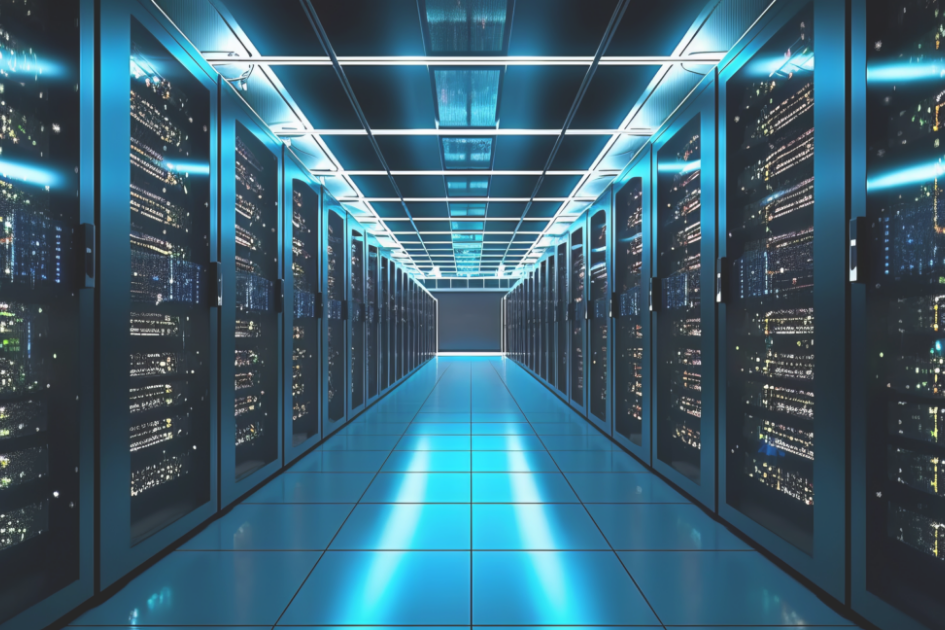
Data Center Consolidation
Space management is a continuous and common struggle for businesses whether it be too little or much space. At Coolcentric our products will provide the solutions and products needed for optimal results. Pressure to reduce costs and improve technology like blade servers and virtualization, becomes more challenging without having an efficient amount of space. We are here to help you consolidate and manage effectively with our data center cooling methods.
Eliminate Data Center Hot Spots
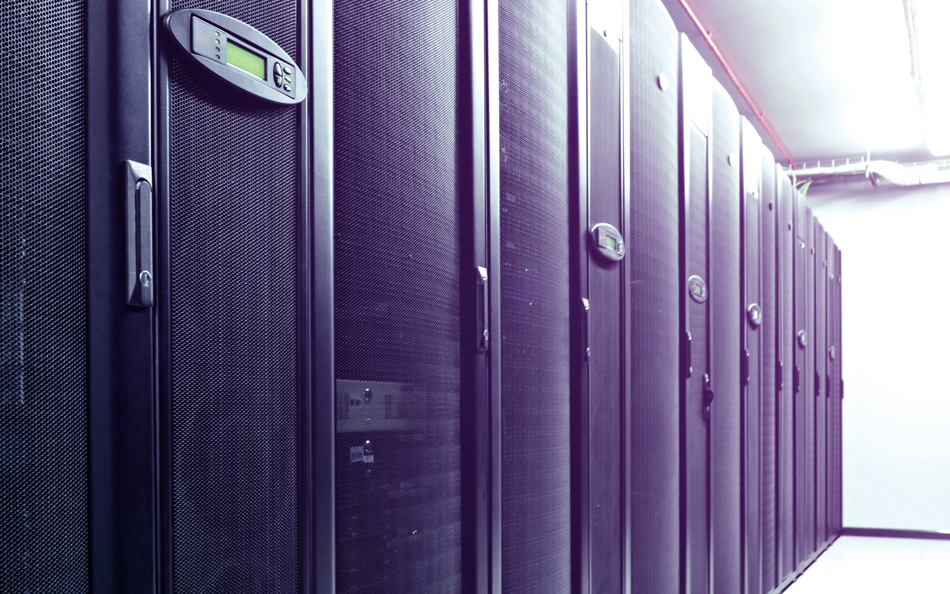
Data centers are prone to localized heat problems. This is the result of enclosures in specific locations in the data center which are not receiving adequate cooling to meet manufacturers' warranty requirements. Coolcentric's server room cooling solution immediately brings the temperature down. Coolcentric's Rear Door Heat Exchanger (RDHx) can be installed on existing enclosures in minutes without disrupting operations. The RDHx is designed to fit on most enclosures currently in the market.
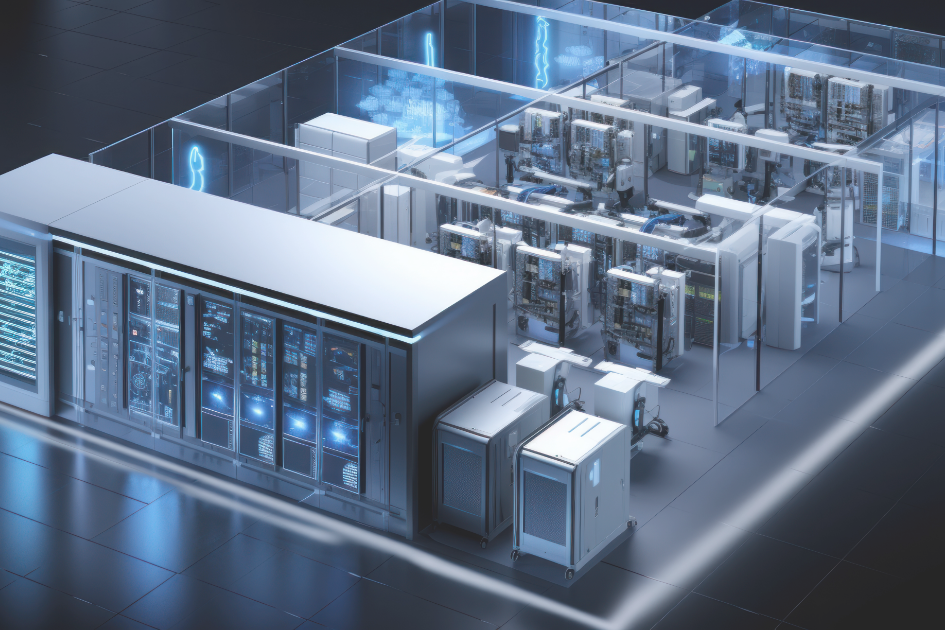
Lower Data Center Cooling Costs
Cooling accounts for over 50% of a data center's operating budget and is growing with increased computing loads with rising utility fees. The Rear Door Heat Exchanger (RDHx) is a passive heat exchanger which reduces data center energy consumption and can reduce data center cooling costs up to 90% with indoor cooling units. The predictable and scalable data center liquid cooling solution can be built on a pay as you grow basis, eliminating the upfront costs of building a complete air-cooled system on day one.
Coolcentric Mission
Coolcentric delivers the world's most energy and space efficient cooling solutions for reducing data center costs. Coolcentric's products for rack level cooling, combined with services for integration, deployment, and sustainability of data center thermal solutions, allow customers to optimize their data centers for maximum performance and return on investment.